
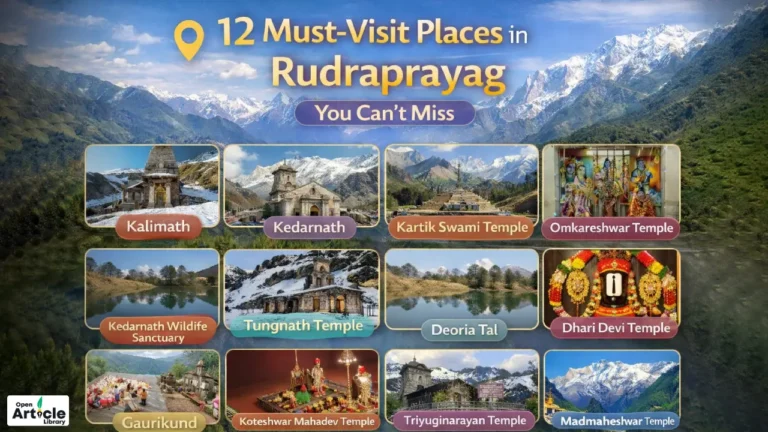
Are you planning to explore the best places to visit in Rudraprayag? We’ve curated a thoughtfully crafted bucket list of must-visit destinations that will make your journey truly unforgettable.
If you’re looking for a place where spirituality blends seamlessly with raw Himalayan beauty, then this city deserves a top spot on your travel list.
Nestled in the heart of the Garhwal region, this serene district is far more than just a stopover on the Char Dham route. From ancient temples and mythological significance to breathtaking viewpoints and peaceful natural escapes, this city offers an experience that stays with you long after your trip ends.
In this guide, I’ll take you through 12 must-visit places in Rudraprayag that bring together culture, spirituality, and nature to create an unforgettable travel experience.
Whether you are a pilgrim seeking blessings, an adventurer chasing mountain trails, or a solo traveler in search of peace, this list has something special for you.
1. Rudraprayag Sangam
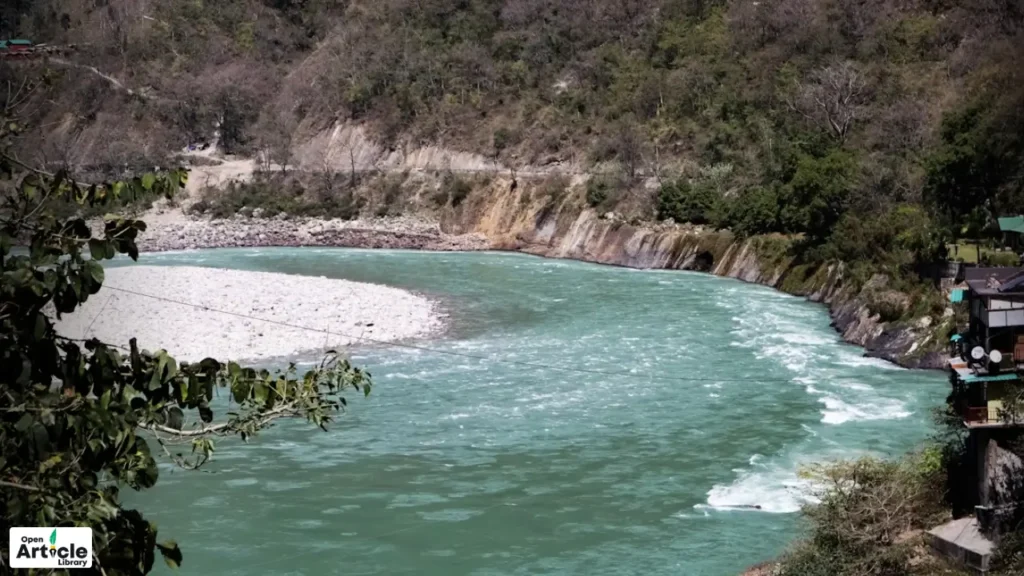
The spiritual heart of the region, Rudraprayag Sangam is where the Alaknanda and Mandakini rivers meet. This confluence is not just visually stunning—with emerald and muddy waters merging—but also deeply sacred.
Local belief holds that Lord Shiva appeared here in his Rudra form. Many visitors spend time sitting by the ghats, soaking in the calm and the rhythmic sound of flowing water. It’s also an ideal place to begin your Rudraprayag journey, grounding yourself in its spiritual energy.
Travel tip: Visit early morning or sunset for the most peaceful experience and best light for photography.
Location: Suvidha Nagar, Rudraprayag, Uttarakhand
2. Dhari Devi Temple
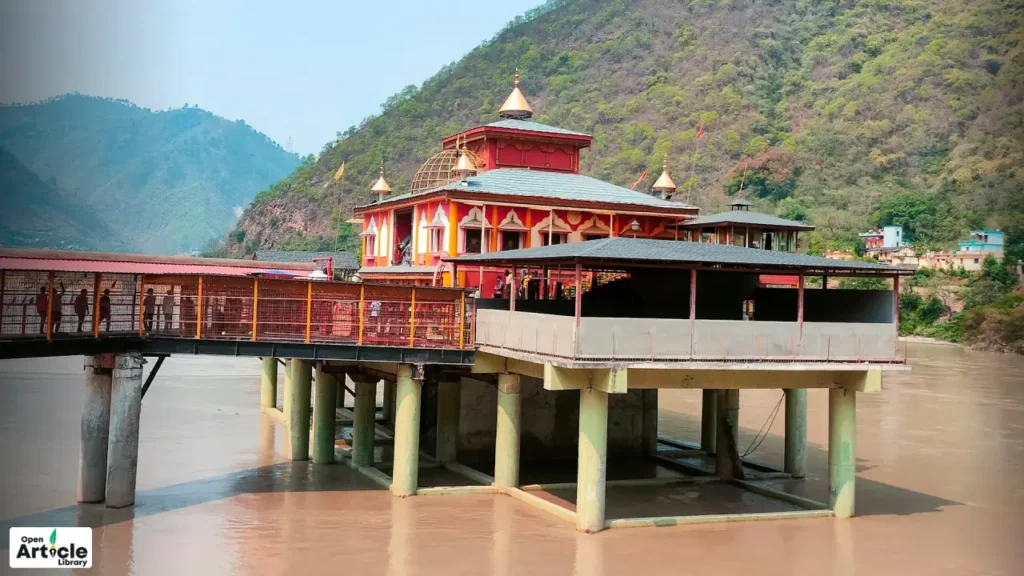
Perched dramatically on a rock in the Alaknanda River, Dhari Devi Temple is one of the most revered shrines in Uttarakhand. The temple is dedicated to Goddess Kali, believed to be the protector of the Char Dham region.
What makes it fascinating is the idol itself—it changes appearance during the day, appearing as a girl in the morning, a woman in the afternoon, and an old lady in the evening, according to local lore.
Why visit: The temple’s unique riverside setting combined with strong spiritual significance makes it unforgettable.
Location: Dhari Devi Kaliyasaud HN 57, Devi Temple Main Gate, crossing, Dhari, Srinagar, Uttarakhand
Also read: A Complete Guide to Dhari Devi Temple: History, Location, and Nearby Attractions
3. Kartikswami Temple
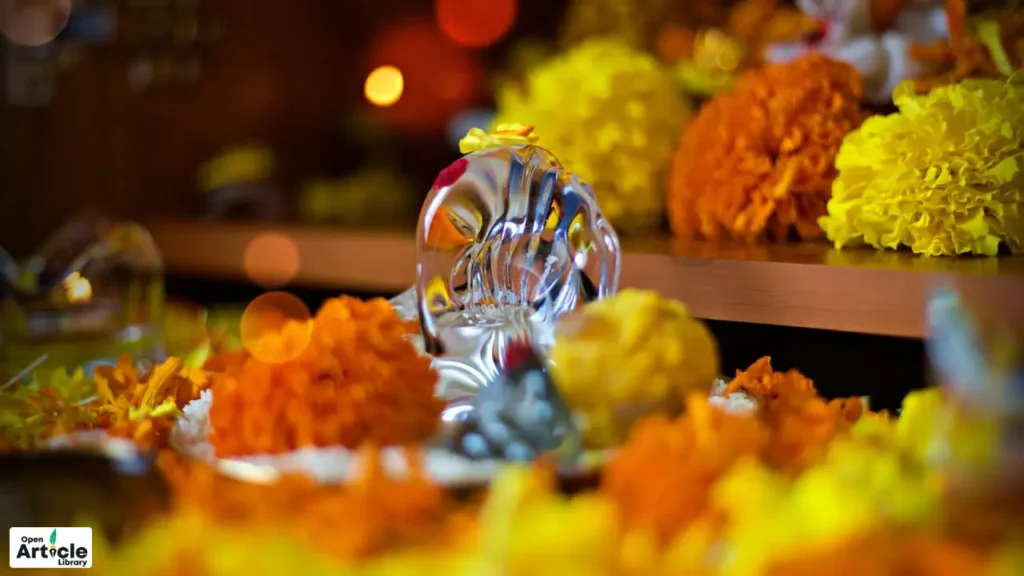
If you enjoy short treks with lovely views, Kartikswami Temple is a must. Dedicated to Lord Kartikeya (son of Shiva), this temple sits atop a hill and requires a 3 km trek from the nearest motorable road.
The trail is scenic, winding through forests and offering panoramic views of the snow-capped Himalayas. On a clear day, you can see peaks like Chaukhamba.
Highlight: The 360-degree mountain view from the temple summit is absolutely worth the effort.
Location: 93PX+8FG, Malkhi, Uttarakhand
4. Ukhimath Omkareshwar Temple
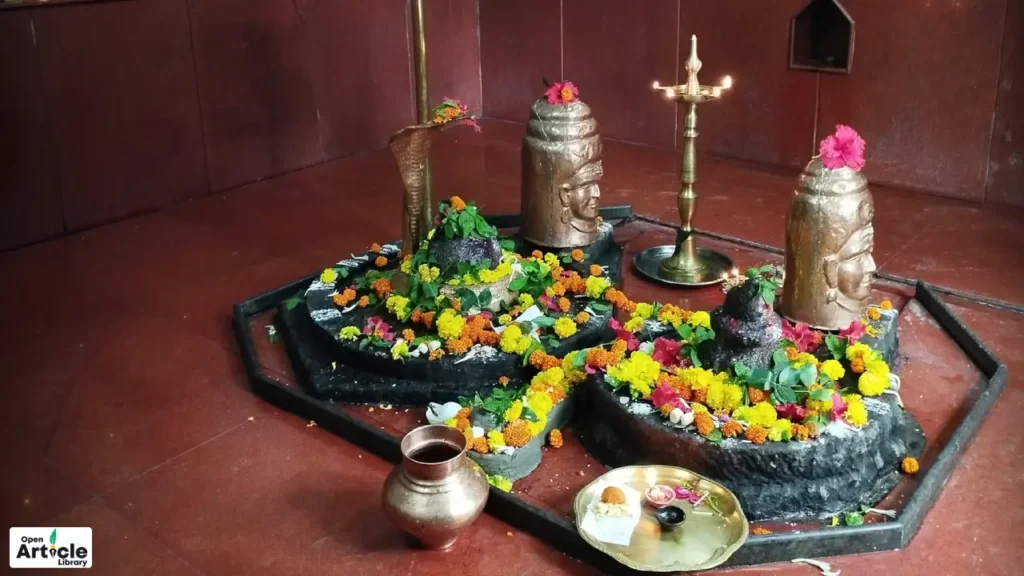
Ukhimath is not just a picturesque hill town—it holds immense religious importance. During winter, when Kedarnath Temple becomes inaccessible due to heavy snowfall, the deity is brought here and worshipped at Omkareshwar Temple.
The temple architecture is simple yet powerful, and the town itself offers stunning views of the surrounding peaks.
Best time to visit: Winter months, if you want to witness the winter seat of Kedarnath.
Location: Kund Ukhimath Gopeshwar Mandal Rd, Ukhimath, Asama, Uttarakhand
5. Koteshwar Temple
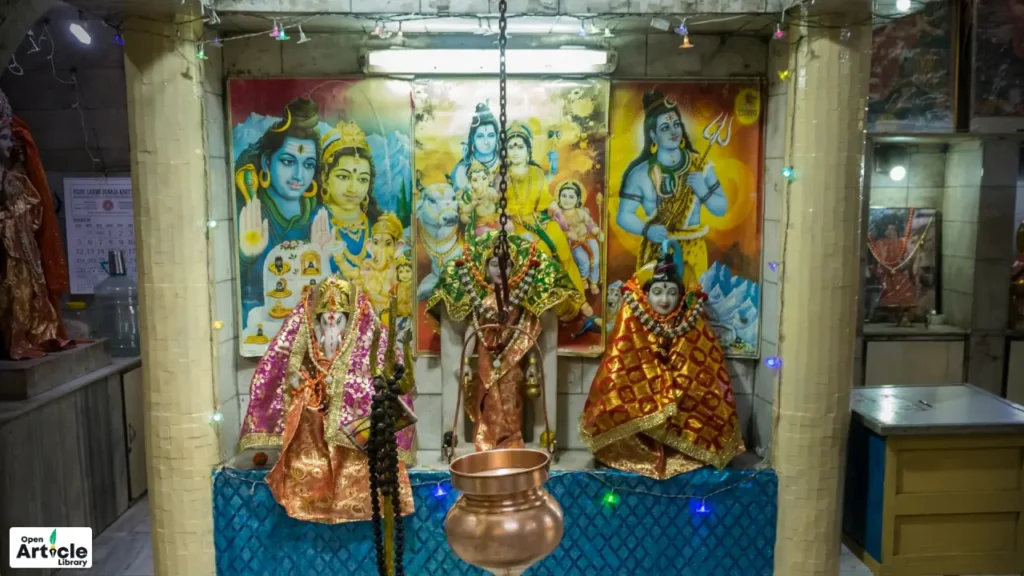
Located inside a natural cave near the Alaknanda River, Koteshwar Temple offers a unique spiritual experience. The cave houses numerous naturally formed Shiva lingams, making it an intriguing site for devotees and curious travelers alike.
The journey to the temple involves descending steps carved into the rock, adding to the sense of adventure.
Why it stands out: The cave setting creates a mystical atmosphere you won’t find in typical temples.
Location: 8224+Q5M, Koteshwar Chopda Road, India, Rudraprayag, Uttarakhand
6. Shri Madhyamaheshwar Temple
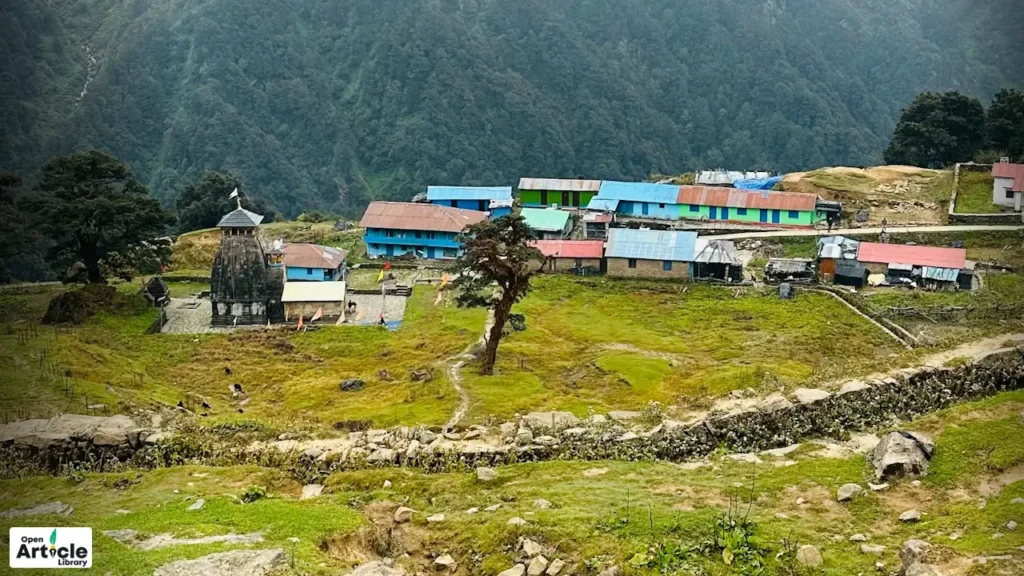
Part of the Panch Kedar pilgrimage circuit, Shri Madhyamaheshwar Temple is dedicated to Lord Shiva and lies in a remote, serene valley. Reaching the temple requires a trek, but the journey is filled with lush meadows, dense forests, and mountain streams.
The temple itself is surrounded by green pastures and snow-capped peaks, creating a surreal landscape.
Pro tip: Plan a multi-day trek and carry proper gear—this is one of the more offbeat and less crowded pilgrimages.
Location: Madhmaheswer marg, Gaundhar, Uttarakhand
7. Shri Tungnath Temple
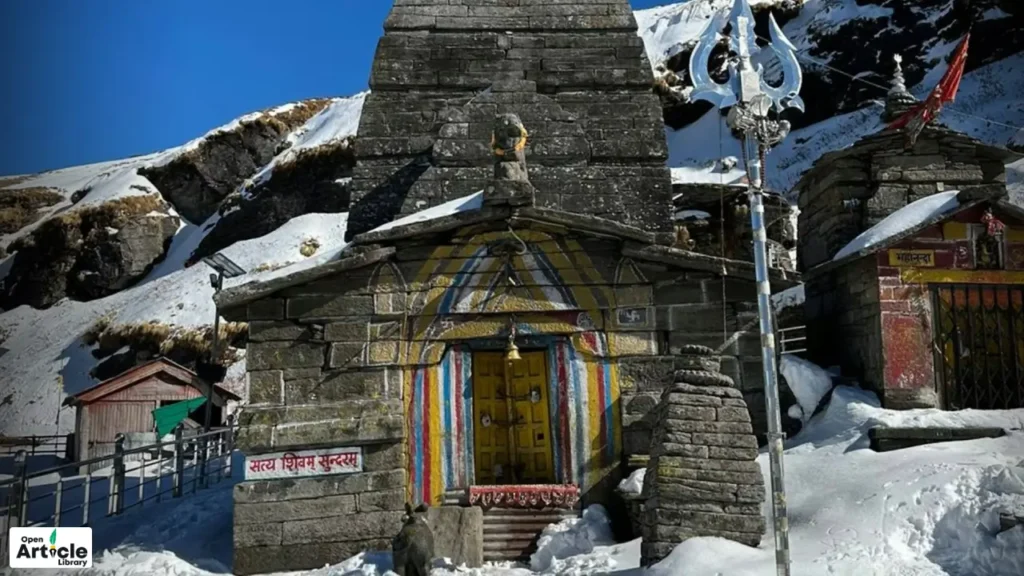
Standing at an altitude of over 3,600 meters, Shri Tungnath Temple is the highest Shiva temple in the world. It’s also one of the easiest high-altitude treks, making it popular among beginners.
The 4 km trek from Chopta is breathtaking, especially in spring when rhododendrons bloom along the trail, painting the landscape in vibrant shades of red and pink.
Don’t miss: Continue a bit further to Chandrashila peak for a sunrise view that will stay with you forever.
Location: Rudraprayag, Tungnath, Uttarakhand
8. Shri Kedarnath Jyotirlinga Temple
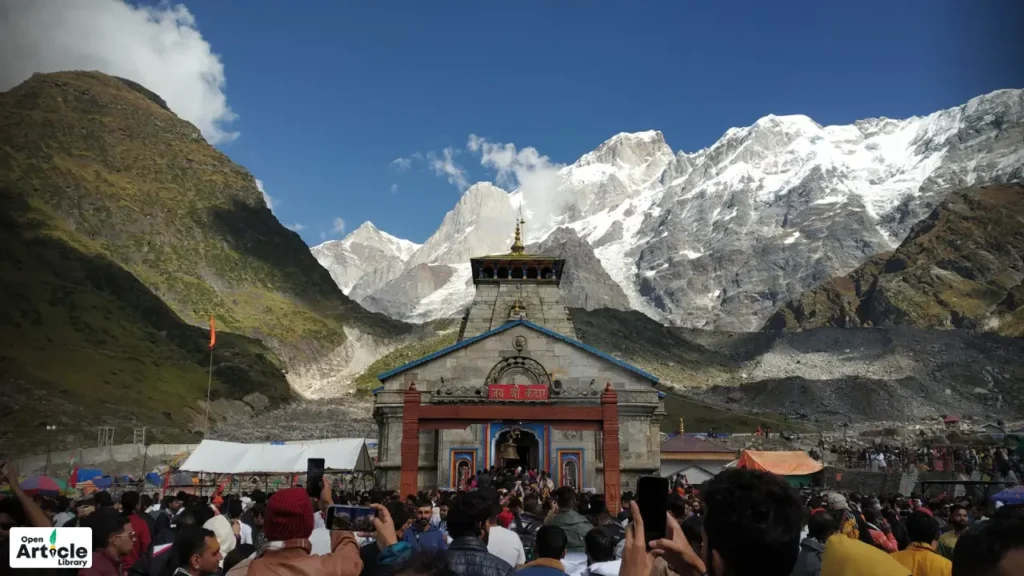
One of the most iconic pilgrimage sites in India, Shri Kedarnath Jyotirlinga Temple needs no introduction. Nestled amidst towering Himalayan peaks, this sacred temple is part of the Char Dham Yatra and one of the 12 Jyotirlingas.
Reaching Kedarnath involves a challenging trek (or helicopter ride), but the spiritual aura and majestic surroundings make every step worthwhile.
Important: Plan well in advance—permits, weather conditions, and accommodation can significantly impact your trip.
Location: Kedarnath, Uttarakhand
9. Shree Kashi Vishwanath Temple Guptkashi
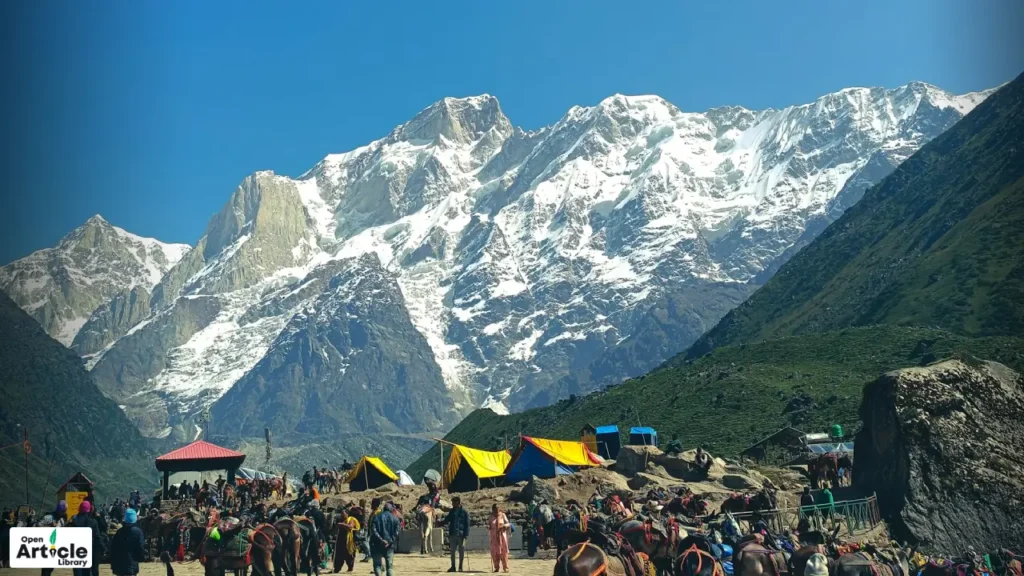
Located in the serene town of Guptkashi, the revered Shree Kashi Vishwanath Temple is one of the most significant spiritual stops for devotees traveling in the Garhwal region.
Dedicated to Lord Shiva, this ancient temple holds deep mythological importance and is often considered a spiritual alternative to the original Kashi Vishwanath Temple.
Surrounded by majestic Himalayan peaks, the temple offers a peaceful and divine atmosphere that attracts pilgrims throughout the year. According to legend, it is believed that Lord Shiva once hid here, which is why the place is called “Guptkashi,” meaning “Hidden Kashi.”
Location: Vishwanath Temple, near Kashi, Guptkashi, Dewar, Uttarakhand
10. Shri Adi Badri Vishnu Temple
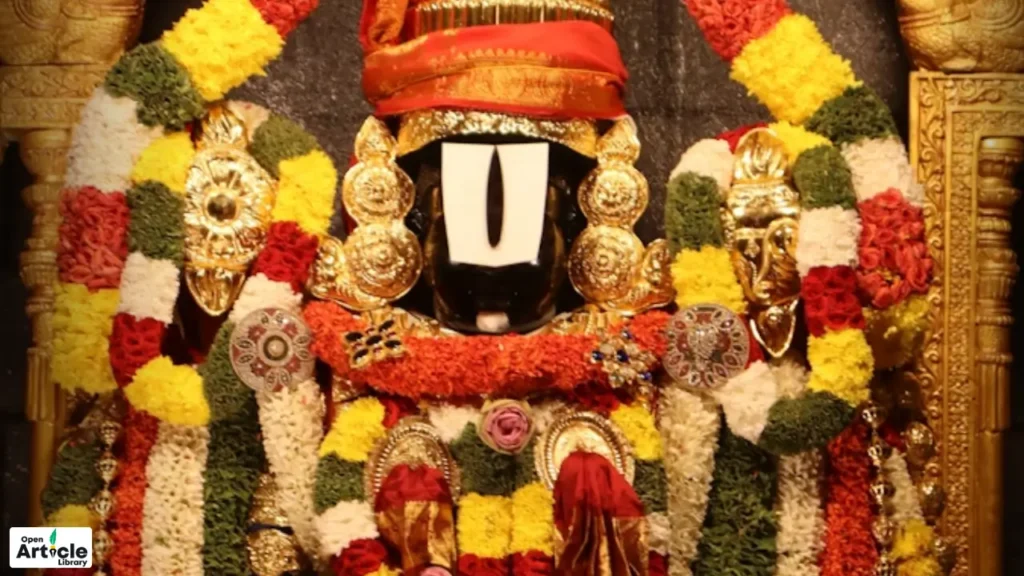
Less crowded but historically significant, Shri Adi Badri Vishnu Temple is a group of ancient temples dedicated to Lord Vishnu. It’s believed to be part of the Sapta Badri (seven Badri temples).
The architecture reflects early Himalayan temple styles, and the peaceful surroundings make it ideal for quiet reflection.
Why go: Perfect for travelers looking to explore beyond the mainstream pilgrimage circuit.
Location: GAURI BHAWAN, Aadibadri, Syalkot, Uttarakhand
11. Deoria Taal
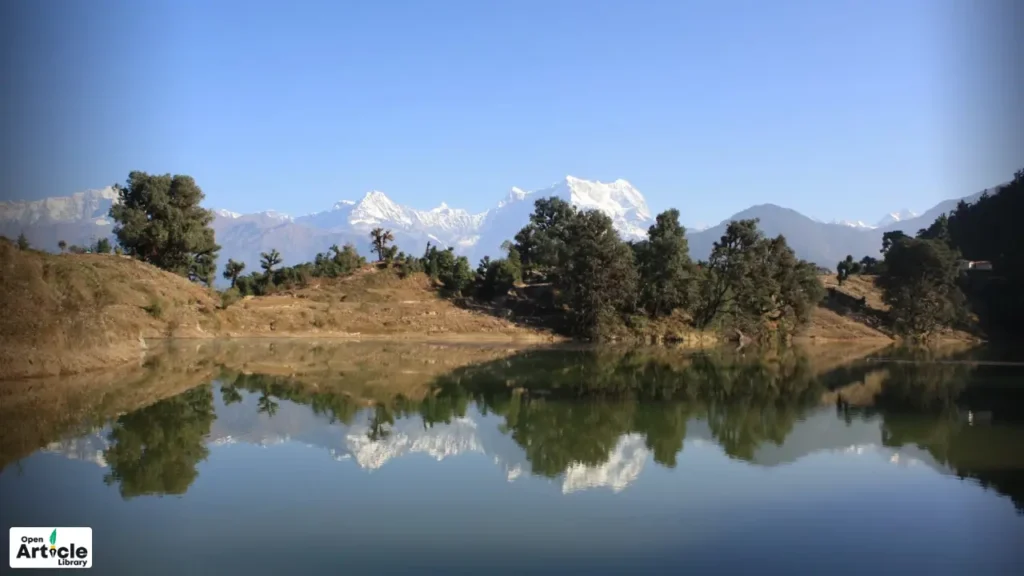
If you’re after postcard-perfect scenery, Deoria Taal will not disappoint. This high-altitude lake reflects the surrounding peaks, including Chaukhamba, creating a mirror-like effect on calm days.
The trek to the lake is relatively easy and suitable for beginners. It’s also a fantastic camping spot.
Best experience: Stay overnight and catch the sunrise—the golden reflection on the water is magical.
Location: Deoria Taal, Uttarakhand
12. Jhandi Top
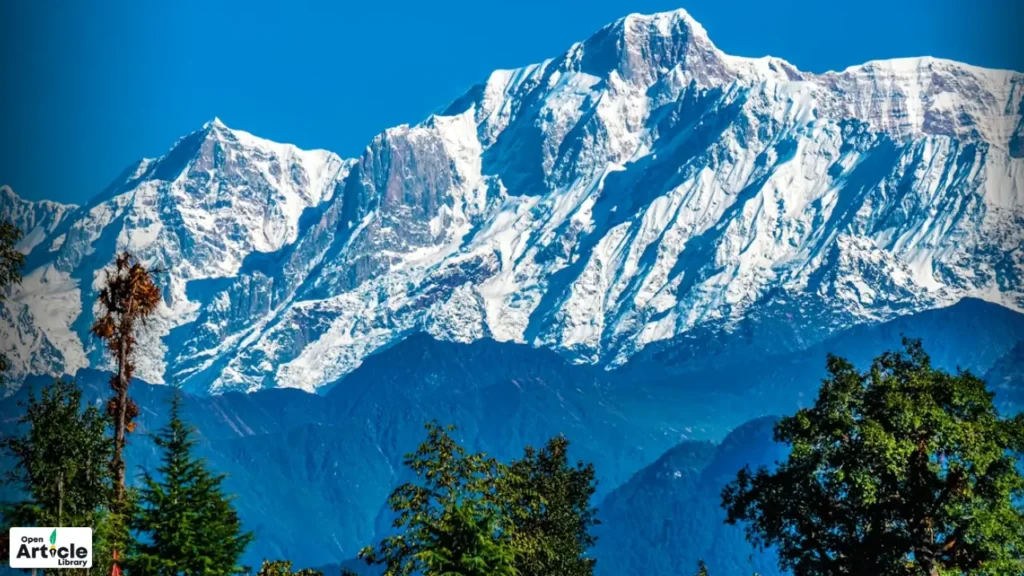
For panoramic views without heavy trekking, Jhandi Top is a hidden gem. It’s less crowded compared to other viewpoints and offers sweeping vistas of the Himalayas.
The drive itself is scenic, and once at the top, you’ll be greeted with cool mountain air and uninterrupted views.
Ideal for: Photography, quiet contemplation, and escaping the crowds.
Location: G4GR+GRV, Unnamed Road, Dilmi, Uttarakhand
Best Time to Plan Your Rudraprayag Trip
Choosing the right time to visit Rudraprayag city can completely shape your travel experience, whether you’re seeking spiritual serenity, scenic beauty, or adventure.
Summer (May to June) – Ideal for Pilgrimage & Sightseeing
During the summer months, the weather remains comfortably pleasant, making it perfect for temple visits and outdoor exploration.
This is also when pilgrims begin their journey toward sacred sites, creating a vibrant and devotional atmosphere. Expect a lively environment with more travelers around.
Autumn (September to November) – Best for Nature Lovers
Post-monsoon, the region transforms into a picturesque paradise with lush greenery and clear skies. The temperatures are mild, and the crowds are thinner compared to peak season. It’s an excellent time for trekking, photography, and soaking in breathtaking Himalayan views.
Winter (December to February) – For Snow & Solitude Seekers
Winters in Rudraprayag bring chilly weather and occasional snowfall, covering the region in a serene white blanket. This off-season period is perfect if you prefer peaceful surroundings, fewer tourists, and mesmerizing snow-clad landscapes.
No matter when you visit, Rudraprayag offers a unique charm in every season—just tailor your trip based on what kind of experience you’re looking for.
How to Reach Rudraprayag
Reaching Rudraprayag is fairly convenient, with multiple transportation options connecting it to major cities across North India. Here’s how you can plan your journey:
By Air – Nearest Airport
The closest airport is Jolly Grant Airport, located approximately 155 km from Rudraprayag. From the airport, you can hire a taxi or take a bus to reach the town while enjoying scenic mountain roads along the way.
By Train – Nearest Railway Station
The nearest major railhead is Rishikesh Railway Station, about 140 km from Rudraprayag. Another well-connected option is Haridwar Railway Station. From either station, taxis and buses are easily available.
By Road – Scenic Drive Through Hills
Rudraprayag is well-connected by road to cities like Haridwar, Rishikesh, and Dehradun. You can opt for state-run buses, private coaches, or self-drive for a more flexible and scenic journey through the Garhwal Himalayas.
Travel Tip:
Road journeys in this region are incredibly beautiful but can be winding, so plan your travel during daylight hours for a safer and more enjoyable experience.
Essential Travel Tips for Visiting Rudraprayag
Planning a trip to Rudraprayag? These practical tips will help you make the most of your journey while ensuring a safe and memorable experience:
Start Your Day Early
Mountain weather can change quickly, and roads are best navigated in daylight. Begin your day early to avoid delays and enjoy clear views.
Pack Smart for the Hills
Carry warm clothing even in summer, as temperatures can drop unexpectedly. Comfortable shoes are a must if you plan to explore temples or trekking routes.
Stay Hydrated and Carry Essentials
Keep water, snacks, and basic medicines handy, especially if you’re traveling long distances or visiting remote areas.
Respect Local Culture and Traditions
Rudraprayag is a spiritually significant destination. Dress modestly and follow temple guidelines while visiting religious sites.
Check Weather and Road Conditions
Before starting your journey, always check the weather forecast and road status, particularly during monsoon or winter seasons.
Book Accommodation in Advance
During peak pilgrimage months, hotels can fill up quickly. It’s wise to secure your stay ahead of time.
Drive Carefully on Mountain Roads
If you’re self-driving, be cautious on sharp turns and narrow roads. Honk at blind curves and maintain a steady speed.
Keep Cash Handy
While digital payments are growing, some remote areas may still prefer cash transactions.
These tips will help ensure a smooth, enjoyable, and hassle-free trip to Rudraprayag, letting you focus on its natural beauty and spiritual charm.
You may also like:11 Best Places to Visit in Mohali with Friends, Couples, and Family
Final Thoughts
Rudraprayag is often seen as a gateway—but those who take the time to explore it discover a destination full of depth, diversity, and quiet magic. From sacred confluences and ancient temples to alpine lakes and scenic viewpoints, every corner tells a story.
What makes Rudraprayag special is its balance. It doesn’t overwhelm like more commercial hill stations, nor does it feel inaccessible. Instead, it offers a grounded, authentic Himalayan experience—one that stays with you long after you’ve left.
So whether you’re planning a spiritual journey, a trekking adventure, or simply a peaceful escape, these places ensure your itinerary is complete.