
Introduction
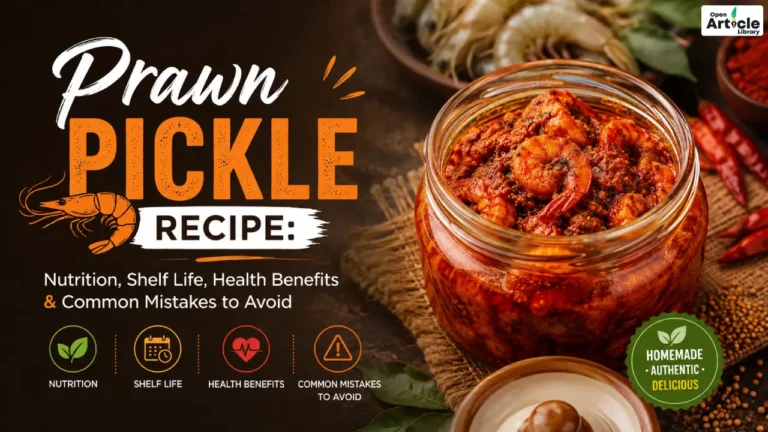
Prawn pickle is a flavorful seafood delicacy that combines juicy prawns with aromatic spices, oil, and tangy seasonings.
Popular in many coastal regions of India, especially Andhra Pradesh, Kerala, and Goa, this spicy pickle is loved for its rich taste and long shelf life.
Whether served with rice, dosa, chapati, or curd rice, this seafood pickle adds a burst of flavor to any meal.
In this guide, we’ll explore everything you need to know about prawn pickle, including its history, recipe, nutritional value, storage methods, and expert tips for making the perfect batch at home.
What Is Prawn Pickle?
Prawn pickle is a spicy and tangy condiment made by marinating and frying prawns before combining them with a blend of spices, oil, and acidic ingredients such as vinegar or lemon juice.
The oil and spices help preserve the prawns while enhancing their flavor.
Unlike traditional vegetable pickles, prawn pickle offers a unique combination of seafood richness and bold spices, making it a favorite among seafood lovers.
History and Popularity of Prawn Pickle
Seafood pickling has been practiced for generations in coastal communities where preserving fresh catches was essential.
Before refrigeration became common, fishermen and households used salt, spices, and oil to extend the shelf life of seafood.
Over time, prawn pickle evolved into a popular delicacy rather than just a preservation method. Today, it is widely enjoyed across India and is often prepared during festivals, family gatherings, and special occasions.
Ingredients Required for Prawn Pickle
To prepare homemade prawn pickle, you’ll need:
- 500 grams fresh prawns
- 2 tablespoons red chili powder
- 1 teaspoon turmeric powder
- 1 tablespoon ginger-garlic paste
- 1 teaspoon mustard seeds
- 1 teaspoon fenugreek seeds
- Curry leaves
- ½ cup cooking oil
- 2 tablespoons vinegar or lemon juice
- Salt to taste
How to Make Prawn Pickle at Home (Step-by-Step Recipe)
Step 1: Clean and Prepare the Prawns
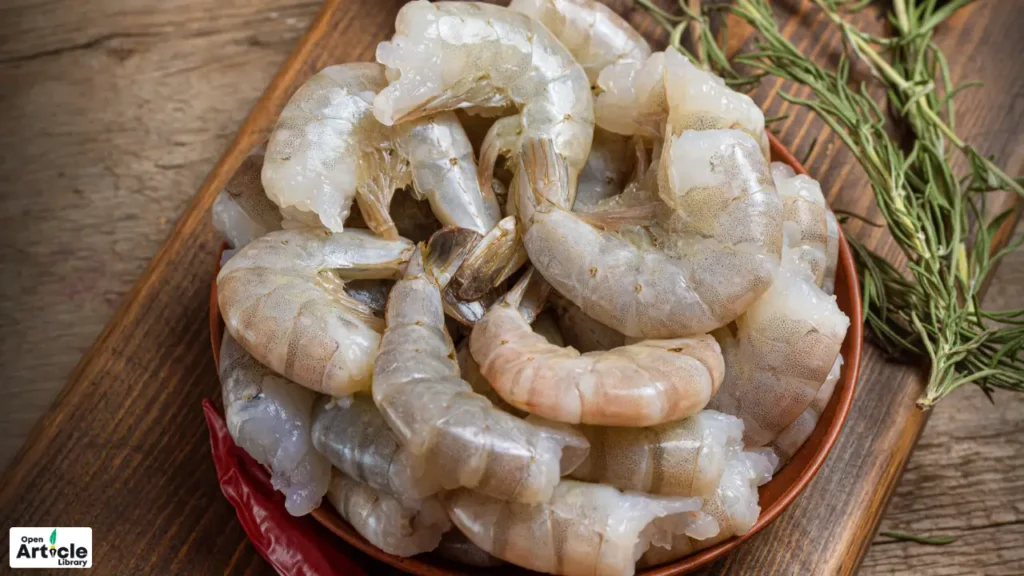
Begin by washing the prawns thoroughly under running water. Remove the shells, tails, and veins, then rinse them again to ensure they are completely clean.
Pat the prawns dry using a kitchen towel or paper towel. Removing excess moisture is crucial, as water can affect both the flavor and shelf life of the pickle.
Step 2: Marinate the Prawns
Place the prawns in a mixing bowl and add turmeric powder, salt, and a portion of the red chili powder. Mix well so that the prawns are evenly coated with the spices.
Allow them to marinate for 20–30 minutes. This step helps enhance the flavor and allows the spices to penetrate the prawns.
Step 3: Fry the Prawns
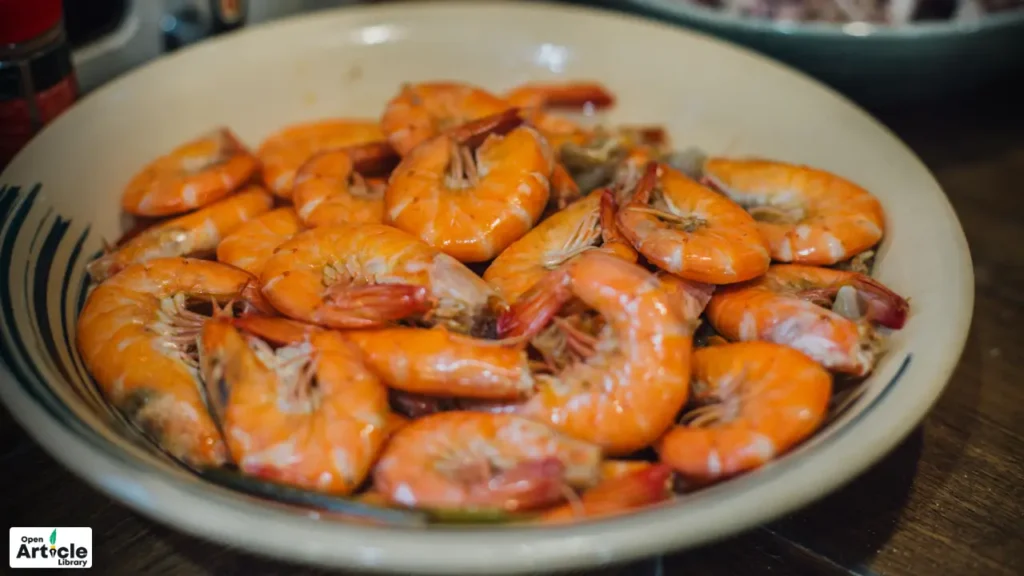
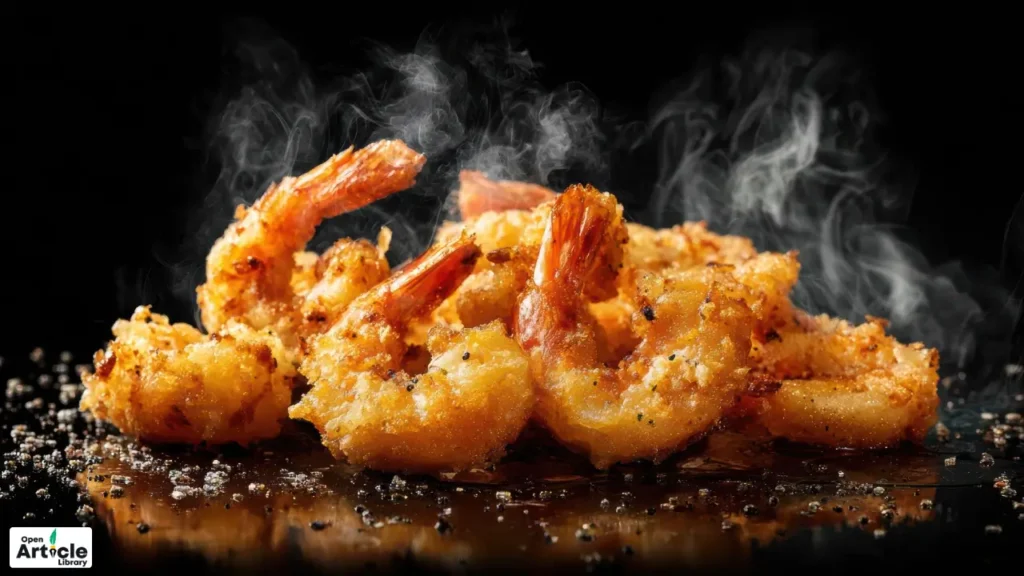
Heat oil in a pan over medium heat and fry the marinated prawns until they are cooked through and lightly crisp.
Avoid overcooking, as it can make them tough. Remove from the pan and set aside.
Step 4: Prepare the Aromatic Spice Base
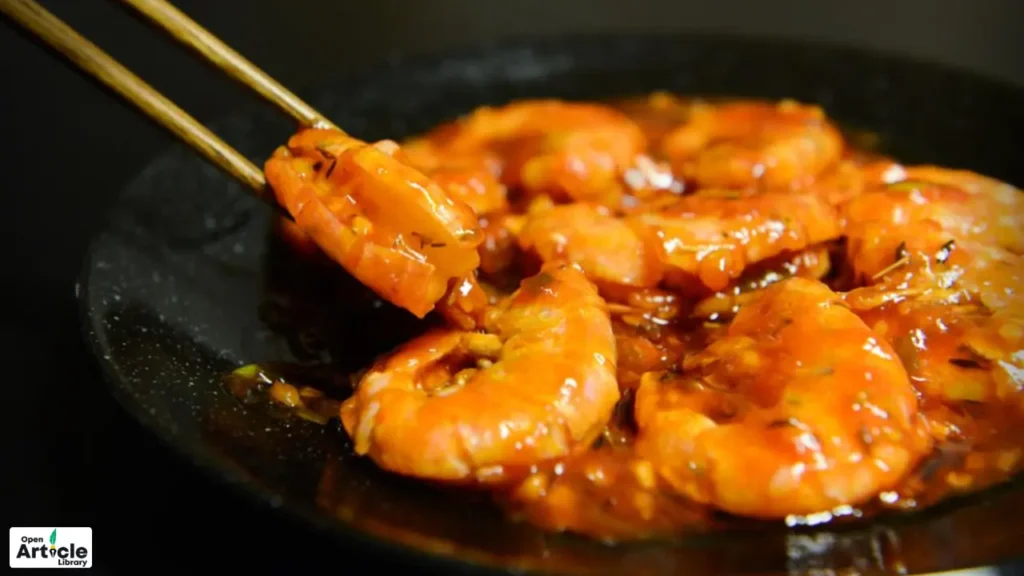
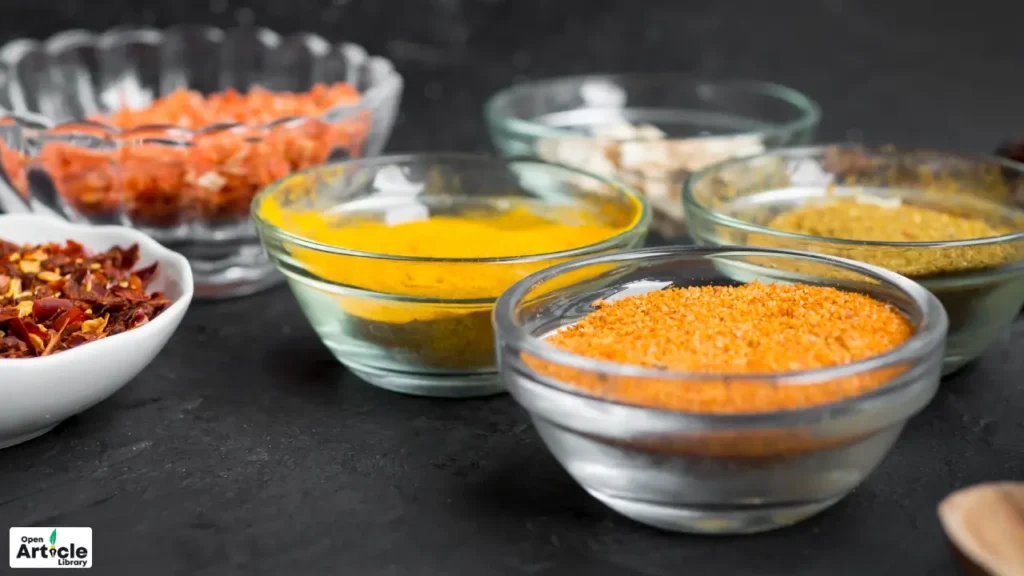
Using the same oil, add mustard seeds, fenugreek seeds, curry leaves, and ginger-garlic paste. Sauté until the mustard seeds crackle and the mixture becomes fragrant. This aromatic spice base adds depth and flavor to the pickle.
Step 5: Add the Seasonings
Reduce the heat and add the remaining red chili powder and other spices. Stir well to prevent the spices from burning, then add vinegar or lemon juice for a tangy flavor and improved preservation.
Step 6: Combine the Prawns and Spice Mixture
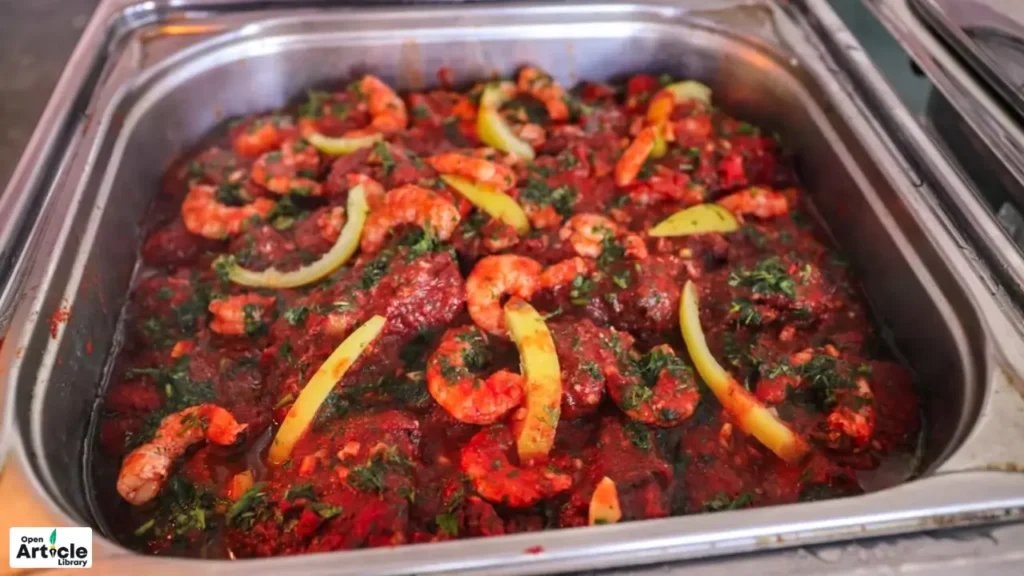
Add the fried prawns to the spice mixture and stir gently until they are evenly coated with the masala. Cook on low heat for a few minutes, allowing the flavors to blend together.
Step 7: Cool and Store Properly
Remove the pickle from the heat and allow it to cool completely at room temperature. Once cooled, transfer it to a clean, dry, and sterilized glass jar.
Seal the container tightly and store it in a cool, dry place or refrigerate it for extended freshness. Always use a dry spoon when serving to prevent contamination and maintain the pickle’s quality.
With its spicy, tangy, and savory flavor, prawn pickle makes an excellent accompaniment to steamed rice, dosa, idli, chapati, and a variety of traditional Indian meals.
You may also like: Gongura Pickle: Recipe, Nutrition, Health Benefits, Shelf Life & Expert Tips
Best Type of Prawns for Pickling
Choosing the right type of prawns is essential for making a flavorful and long-lasting pickle. The quality, size, and freshness of the prawns can significantly affect the taste, texture, and overall success of the recipe.
Fresh Prawns: The Preferred Choice
Fresh prawns are generally considered the best option for pickling because they offer superior flavor, texture, and freshness. They retain their natural sweetness and firm texture, allowing them to absorb spices while remaining juicy and tender.
Whenever possible, purchase prawns from a local seafood market and use them on the same day to achieve the best results.
Medium-Sized Prawns Work Best
Medium-sized prawns are often preferred for pickle recipes. They strike the perfect balance between size and texture, absorbing the spice mixture evenly without becoming overly soft.
Larger prawns can sometimes be difficult to coat thoroughly, while very small prawns may lose their texture during cooking.
Using Frozen Prawns
Frozen prawns can be a convenient alternative when fresh seafood is not available. However, they should be thawed completely and patted dry before marinating and cooking.
Removing excess moisture is crucial, as water can reduce the shelf life of the pickle and affect its flavor.
What to Look for When Buying Prawns
For the best homemade pickle, choose prawns that:
- Have a fresh, clean seafood smell
- Appear firm and translucent
- Are free from discoloration or black spots
- Have a firm texture without excessive softness
- Come from a reliable and hygienic source
Using fresh prawns ensures a richer flavor, better texture, and a pickle that stays fresh for longer when stored properly.
Different Regional Variations of Prawn Pickle
Andhra-Style Prawn Pickle
Known for its intense spice levels, Andhra-style prawn pickle uses generous amounts of red chili powder and aromatic spices.
Kerala-Style Prawn Pickle
This version often incorporates coconut oil and curry leaves, creating a distinctive flavor profile with a rich aroma.
Goan Prawn Pickle
Goan recipes typically use vinegar more prominently, resulting in a tangier taste with Portuguese culinary influences.
Nutritional Value of Prawn Pickle
Prawn pickle contains several important nutrients, including:
- High-quality protein
- Omega-3 fatty acids
- Vitamin B12
- Selenium
- Phosphorus
- Iron
The exact nutritional values vary depending on the recipe and quantity of oil used.
Also read: What Are Omega-3 Fatty Acids?
Health Benefits of Prawn Pickle
Excellent Source of Protein
Prawns are packed with high-quality protein, which plays a vital role in building and repairing muscles, supporting immune function, and maintaining overall body health.
A serving of prawn pickle can help increase your daily protein intake while adding flavor to your meals.
Rich in Essential Vitamins and Minerals
Prawns contain important nutrients such as vitamin B12, selenium, phosphorus, zinc, and iron.
These nutrients contribute to energy production, bone health, immune support, and the normal functioning of the nervous system.
Contains Beneficial Omega-3 Fatty Acids
Prawns naturally provide omega-3 fatty acids, which are known for supporting heart health and overall well-being.
Although the amount may vary depending on the recipe, prawn pickle can still contribute to your intake of these beneficial fats.
Enhances Meal Enjoyment
A small spoonful can instantly transform simple dishes such as rice, dosa, idli, or chapati into a more flavorful and satisfying meal. Its rich taste makes it a convenient accompaniment when you want to add variety to everyday foods.
Long-Lasting and Convenient
Unlike many seafood dishes that need to be consumed immediately, prawn pickle can be stored for weeks when prepared and preserved correctly. This makes it a practical option for seafood lovers who want a ready-to-eat side dish at home.
May Support Satiety
Thanks to its protein content, it may help you feel fuller for longer when consumed as part of a balanced meal. Protein-rich foods are generally more satisfying than foods that are primarily made up of refined carbohydrates.
Note: While prawn pickle offers several nutritional benefits, it is typically high in salt and oil. For this reason, it is best enjoyed in moderation as part of a healthy and balanced diet.
How to Store Prawn Pickle Properly
Proper storage is essential for maintaining freshness and preventing spoilage.
Follow these tips:
- Use sterilized glass jars.
- Ensure the pickle is completely cooled before storage.
- Keep moisture away from the container.
- Use only dry spoons when serving.
- Store in a cool, dry place or refrigerate after opening.
- Ensure the pickle remains covered with oil.
These practices help maximize shelf life and maintain flavor.
Shelf Life of Prawn Pickle
The shelf life depends largely on preparation and storage conditions.
- At room temperature: approximately 2–4 weeks in ideal conditions.
- Refrigerated: up to 2–3 months or longer when stored properly.
Always inspect the pickle before consumption, especially if it has been stored for an extended period.
Can You Freeze Prawn Pickles?
Yes, prawn pickle can be frozen for longer storage.
To freeze:
- Place the pickle in an airtight freezer-safe container.
- Leave a small amount of space at the top for expansion.
- Freeze in small portions for convenience.
When ready to use, thaw it in the refrigerator and stir well before serving.
Common Mistakes to Avoid When Making Prawn Pickle
Making prawn pickle may seem easy, but a few common mistakes can affect its flavor, texture, and shelf life.
Avoiding these mistakes will help the pickle stay fresh, delicious, and safe to consume for longer.
Using Wet Prawns
One of the most common mistakes is using prawns that still contain excess moisture after washing. Water can promote bacterial growth and significantly reduce the shelf life of the pickle.
After cleaning the prawns, pat them dry thoroughly with a kitchen towel before marinating and cooking.
Not Using Enough Oil
Oil plays an important role in preserving pickles. It creates a protective barrier that helps prevent spoilage and keeps the spices fresh.
Using too little oil can shorten the pickle’s shelf life and affect its overall texture and flavor.
Undercooking the Prawns
Prawns should be cooked properly before they are mixed with the spice blend. Undercooked prawns may spoil more quickly and can negatively impact the taste and quality of the pickle.
At the same time, avoid overcooking them, as this can make them tough and chewy.
Skipping Jar Sterilization
Even a perfectly prepared pickle can spoil if it is stored in an unclean container. Always use sterilized glass jars that are completely dry before filling them with prawn pickle. This simple step helps prevent contamination and extends storage life.
Adding Spices on High Heat
Cooking spices over very high heat can burn them and create a bitter flavor. Always cook the spice mixture on low to medium heat, allowing the flavors to develop without scorching the ingredients.
Using Low-Quality or Old Prawns
Fresh prawns produce the best flavor and texture. Using stale or poor-quality prawns can result in unpleasant taste and increase the risk of spoilage. Always choose fresh, high-quality prawns whenever possible.
Introducing Moisture During Storage
After the pickle is prepared, keeping moisture away is essential. Using wet spoons, storing the jar with a damp lid, or allowing water to enter the container can cause mold growth and spoilage. Always use a clean, dry spoon when serving prawn pickle.
Improper Storage Conditions
Leaving pickles in direct sunlight or a warm, humid environment can reduce its shelf life. Store the jar in a cool, dry place or refrigerate it after opening to maintain freshness and flavor.
Ignoring Signs of Spoilage
If the pickle develops mold, a foul odor, unusual discoloration, or a slimy texture, it should be discarded immediately. Consuming spoiled pickles can pose health risks.
By avoiding these common mistakes, you can prepare prawn pickle that is flavorful, safe to eat, and capable of staying fresh for weeks or even months when stored properly.
You may also like: How Do You Know When It’s Time to Throw Out Pickles?
Signs That Prawn Pickle Has Gone Bad
Discard the pickle if you notice:
- Mold growth on the surface
- Unpleasant or sour odor
- Significant discoloration
- Excessive sliminess
- Unusual taste
When in doubt, it’s safer not to consume it.
Best Ways to Serve Prawn Pickle
Prawn pickle is incredibly versatile and pairs well with various dishes.
Popular serving options include:
- Steamed rice
- Curd rice
- Dosa
- Idli
- Chapati
- Paratha
- Khichdi
- Simple rice and ghee combinations
A small spoonful is often enough to elevate the flavor of an entire meal.
Conclusion
Prawn pickle is a delicious and aromatic condiment that combines the rich flavors of prawns, spices, and traditional pickling methods. Its unique taste, long shelf life, and versatility make it a popular choice among seafood enthusiasts.
With the right ingredients, preparation techniques, and storage methods, you can enjoy homemade prawn pickle for weeks without compromising its freshness and flavor.
Whether served with rice, bread, or your favorite meal, this classic seafood pickle is a delightful addition to any dining experience.
Frequently Asked Questions (FAQs)
What is prawn pickle made of?
Prawn pickle is typically made using fresh prawns, red chili powder, turmeric, ginger, garlic, mustard seeds, curry leaves, oil, vinegar or lemon juice, and salt. These ingredients create a spicy, tangy, and flavorful seafood pickle.
How long does homemade prawn pickle last?
When stored properly in a sterilized airtight container, homemade prawn pickle can last 2–4 weeks at room temperature and up to 2–3 months in the refrigerator.
Can I use frozen prawns to make prawn pickle?
Yes, frozen prawns can be used if fresh prawns are unavailable. Make sure they are completely thawed and dried before cooking to prevent excess moisture in the pickle.
Is prawn pickle healthy?
Yes it is super healthy, it contains protein, vitamins, minerals, and omega-3 fatty acids from prawns. However, it should be consumed in moderation because it may contain high amounts of salt and oil.
Which oil is best for making prawn pickle?
Many people prefer sesame oil, mustard oil, or coconut oil depending on regional preferences. The choice of oil can significantly influence the flavor of the pickle.
Can prawn pickle be frozen?
Yes, prawn pickle can be frozen in airtight containers for longer storage. Thaw it in the refrigerator before serving and stir well before use.
Why did my prawn pickle spoil quickly?
Prawn pickles can spoil if moisture enters the jar, the container is not sterilized, insufficient oil is used, or wet spoons are used during serving.
What are the signs that prawn pickle has gone bad?
Common signs include mold growth, a foul smell, unusual discoloration, slimy texture, or an off taste. If you notice any of these signs, discard the pickle immediately.
What foods pair well with prawn pickle?
Prawn pickle pairs well with steamed rice, curd rice, dosa, idli, chapati, paratha, and other traditional Indian dishes.
What is the difference between prawn pickle and fish pickle?
Prawn pickle is made using prawns, which have a firmer texture and slightly sweeter taste, while fish pickle uses fish pieces that tend to be softer and absorb spices differently.
Can I reduce the spice level in prawn pickle?
Yes, you can adjust the amount of red chili powder and other spices according to your taste preferences while maintaining the overall flavor balance.
Which type of prawns is best for pickling?
Fresh medium-sized prawns are generally considered the best choice because they hold their shape well and absorb spices effectively during the pickling process.