

Introduction
Lepakshi Temple is one of the most remarkable historical and spiritual landmarks in Andhra Pradesh. Famous for its stunning Vijayanagara architecture, mysterious hanging pillar, magnificent sculptures, and ancient murals, the temple attracts thousands of devotees, historians, and tourists every year.
Lepakshi Temple, also known as Shri Veerabhadra Swamy Temple, is a centuries-old monument that showcases the rich art, architecture, and cultural heritage of South India. The temple is deeply connected to Hindu mythology and is home to priests.
From the mysterious hanging pillar and enormous Nandi statue to the vibrant paintings on its ceilings and walls, every corner of the Temple offers a glimpse into its fascinating history and artistic legacy.
Whether you’re seeking spiritual blessings or exploring India’s rich cultural heritage, a visit to Lepakshi Temple promises an unforgettable experience.
About Lepakshi Temple
The Temple is located in the town of Lepakshi in the Sri Sathya Sai district of Andhra Pradesh, close to the Karnataka border. Dedicated to Lord Veerabhadra, a fierce form of Lord Shiva, the temple is one of the finest examples of Vijayanagara architecture in South India.
Built during the 16th century under the patronage of the Vijayanagara Empire, the temple is renowned for its intricate stone carvings, mysterious hanging pillar, massive monolithic sculptures, and vibrant ceiling paintings. These remarkable things attract devotees, history enthusiasts, and architecture lovers from across the country.
Thanks to its rich history, mythological significance, and exceptional craftsmanship, The Temple remains one of the most popular heritage and pilgrimage destinations in South India.
History of Lepakshi Temple
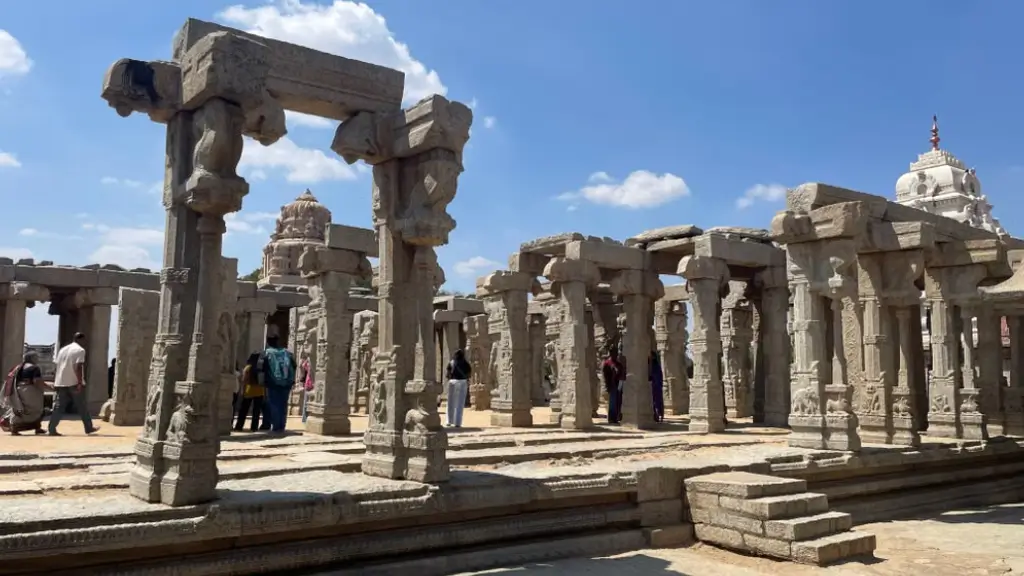
The history of Lepakshi Temple dates back to the reign of the Vijayanagara Empire. It was built by Virupanna and Veeranna, who served as governors under King Achyuta Deva Raya during the 16th century.
According to historical records, Virupanna used royal funds to construct the temple. When the king learned about the expenditure, he ordered punishment. Legend says that Virupanna blinded himself as a mark of loyalty, and the red stains visible on a wall inside the temple are believed to be associated with this event.
Today, the temple stands as a masterpiece symbol of Vijayanagara craftsmanship and South India’s rich cultural heritage.
You may also like: Churdhar Mahadev Temple Guide: Trek, History & Travel Experience
Mythological Significance of Lepakshi Temple
The name “Lepakshi” is closely associated with the Ramayana. According to locals, Jatayu, the divine eagle, fought Ravana when he abducted Goddess Sita. During the battle, Jatayu was severely wounded and fell near the site where the temple stands today.
When Lord Rama found the dying bird, he compassionately said, “Le Pakshi,” meaning “Rise, O Bird.” The phrase eventually evolved into the name Lepakshi.
This legendary connection makes the temple an important destination for devotees and mythology enthusiasts.
Architecture of Lepakshi Temple
The architecture of the Lepakshi Temple is a brilliant example of the Vijayanagara style. The temple complex features intricately carved pillars, spacious mandapas, detailed sculptures, and beautifully painted ceilings.
One of the most fascinating artistic elements is the painting tradition. The temple houses some of India’s finest frescoes depicting scenes from the Ramayana, Mahabharata, and various Hindu legends. These paintings are admired for their vibrant colors, intricate details, and exceptional preservation.
The temple’s Kalyana Mandapa, Sabha Mandapa, and numerous sculpted pillars demonstrate the remarkable craftsmanship of the period.
The Mysterious Hanging Pillar of Lepakshi
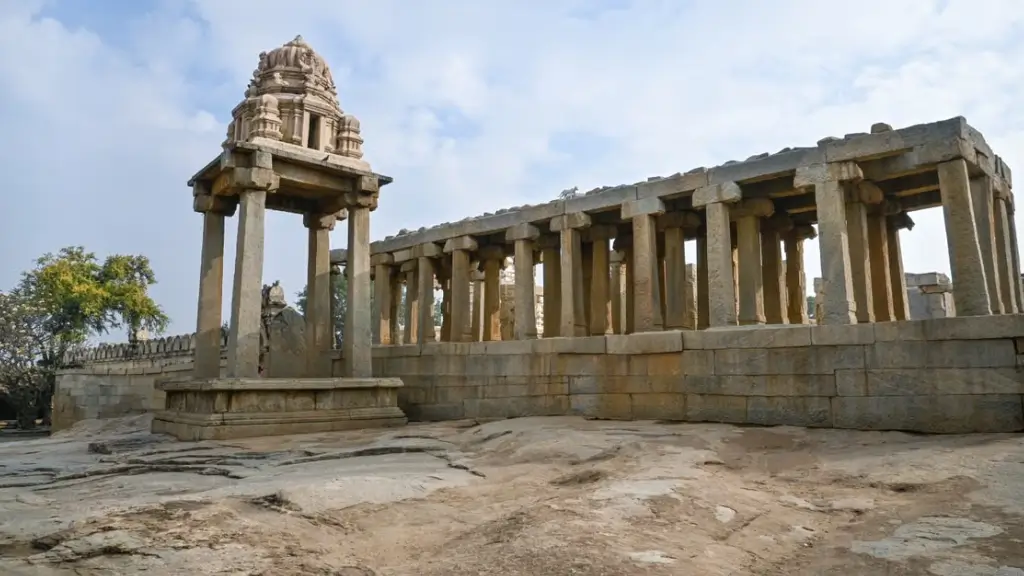
The hanging pillar is famous for being one of India’s greatest architectural mysteries. Out of the temple’s many pillars, one appears to hang slightly above the ground without fully touching the floor.
Visitors often pass a thin cloth or paper beneath the pillar to observe the gap. Engineers and historians have studied the structure for years, but the exact technique used by ancient builders continues to intrigue experts.
The hanging pillar serves as a testament to the advanced engineering knowledge possessed by the craftsmen of the Vijayanagara era.
Veerabhadra Swamy – The Presiding Deity
The main deity worshipped in the Veerabhadra Temple is Lord Veerabhadra, a fierce warrior form of Lord Shiva.
According to Hindu mythology, Veerabhadra emerged from Shiva’s locks of hair after the tragic self-immolation of Goddess Sati. He was created to destroy the sacrificial ceremony conducted by Daksha, Sati’s father.
The sanctum houses a magnificent image of Veerabhadra adorned with weapons and ornaments, attracting devotees seeking courage, protection, and spiritual strength.
Monolithic Nandi Statue
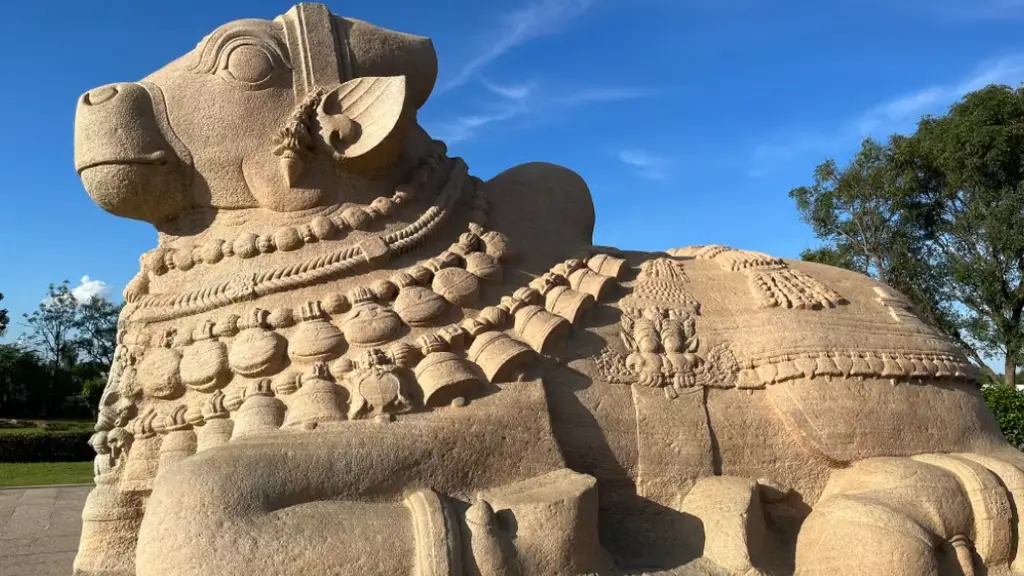
Among the many attractions in Lepakshi, the iconic Lepakshi Nandi stands out as a must-visit landmark, located approximately 200 meters from the temple.
Carved from a single granite stone, the statue is among the largest monolithic Nandi sculptures in India. Measuring about 27 feet in length and 15 feet in height, the sculpture faces the giant Nagalinga inside the temple complex.
The intricate carvings, decorative ornaments, and impressive size make the Nandi statue a favorite photography spot and an important symbol of devotion to Lord Shiva.
Lepakshi Eagle Statue
Another popular attraction associated with the temple is eagle statue, which commemorates the legendary bird Jatayu from the Ramayana.
The statue serves as a reminder of Jatayu’s bravery and sacrifice while attempting to rescue Goddess Sita. Visitors often stop here to learn about the mythological significance of the site and capture memorable photographs.
The eagle statue enhances the cultural and spiritual appeal of Lepakshi and strengthens its connection to the epic Ramayana.
Major Attractions Inside Lepakshi Temple
Some of the major attractions inside the Temple include:
- Hanging Pillar
- Nagalinga Sculpture
- Kalyana Mandapa
- Veerabhadra Shrine
- Ancient Frescoes and Murals
- Ornately Carved Pillars
- Sita’s Footprint
- Sabha Mandapa
- Lepakshi Paintings
Each attraction reflects the artistic excellence and religious significance of the temple.
Festivals Celebrated at Lepakshi Temple
The temple celebrates several Hindu festivals with great enthusiasm.
Maha Shivaratri
The most important festival, attracting thousands of devotees who offer prayers to Lord Shiva and Veerabhadra.
Veerabhadra Swamy Festival
Special rituals, cultural performances, and religious processions are organized in honor of the presiding deity.
Other Religious Celebrations
Major Hindu festivals such as Navaratri and Kartika Masam are also observed with devotion.
Best Time to Visit Lepakshi Temple
The best time to visit is between October and March, when the weather remains pleasant and comfortable for sightseeing.
Winter months offer the ideal conditions for exploring the temple complex and nearby attractions. Visitors interested in religious celebrations may consider planning their trip during Maha Shivaratri for a unique spiritual experience.
Lepakshi Temple Timings
The temple generally remains open daily:
- Opening Time: 7:00 AM
- Closing Time: 6:00 PM
Visitors are advised to verify timings before planning their trip, especially during festivals and special events.
Location: Vijayanagara Era Shri Veerabhadra Swamy Temple
Entry Fee and Visitor Information
- Entry Fee: Free
- Photography: Allowed in most outdoor areas
- Footwear: Must be removed before entering sacred areas
- Duration Required: 2 to 3 hours
Maintaining cleanliness and respecting temple customs is encouraged.
How to Reach Lepakshi Temple
The Temple is well connected by air, rail, and road, making it easily accessible from major cities in South India.
By Air
The nearest airport is Kempegowda International Airport, Bengaluru, located approximately 120 km from Lepakshi. Visitors can hire a taxi or take a bus from the airport to reach the temple.
By Train
The nearest railway station is Hindupur Railway Station, situated about 15 km from Lepakshi. The station is well-connected to major cities such as Bengaluru, Hyderabad, and Anantapur. Local taxis and auto-rickshaws are readily available from the station.
By Road
You can also reach by road via well-maintained national and state highways. Regular buses and private taxis operate from nearby cities, making road travel one of the most convenient ways to visit the temple.
Visitors traveling from Bengaluru often choose Lepakshi as a popular weekend getaway or day-trip destination due to its proximity and historical significance.
Places to Visit Near Lepakshi Temple
Visitors can explore several nearby attractions:
- Penukonda Fort
- Hindupur
- Nandi Hills
- Bengaluru
- Puttaparthi
These destinations can be combined with a visit to Lepakshi for a memorable cultural and spiritual journey.
Travel Tips for Visitors
- Visit early in the morning to avoid crowds.
- Carry water and wear comfortable footwear.
- Respect temple customs and dress modestly.
- Hire a local guide for detailed historical insights.
- Don’t miss the Lepakshi Nandi and eagle statue.
- Carry a camera to capture the temple’s incredible architecture and paintings.
Interesting Facts About Lepakshi Temple
- The temple is over 450 years old.
- It is famous worldwide for its hanging pillar.
- The Lepakshi Nandi is one of India’s largest monolithic Nandi statues.
- The temple contains some of the finest examples of painting and Vijayanagara fresco art.
- The site is closely associated with the Ramayana and Jatayu legend.
- The unfinished Kalyana Mandapa remains an architectural mystery.
- The temple showcases the exceptional engineering and artistic skills of the Vijayanagara Empire.
Also read: 12 Must-Visit Places in Rudraprayag You Can’t Miss
Conclusion
Lepakshi Temple is much more than a place of worship; it is a living testament to India’s rich cultural, artistic, and spiritual heritage.
From the majestic Veerabhadra Temple and the mysterious hanging pillar that has fascinated visitors for centuries to the enormous Nandi statue, eagle statue, and exquisite paintings, every corner of Lepakshi Temple reflects exceptional craftsmanship, rich history, and timeless cultural heritage.
Whether you are a history enthusiast, architecture lover, photographer, pilgrim, or traveler, Lepakshi Temple offers a unique blend of mythology, art, and devotion. A visit to this remarkable heritage site promises an enriching and memorable experience that leaves a lasting impression on every visitor.
Frequently Asked Questions (FAQs)
Why is Lepakshi Temple famous?
Lepakshi Temple is famous for its mysterious hanging pillar, magnificent Vijayanagara architecture, ancient murals, and strong connections to Hindu mythology and the Ramayana.
Who built the Lepakshi Temple?
The temple was built during the 16th century by Virupanna and Veeranna, governors under King Achyuta Deva Raya of the Vijayanagara Empire.
What is the mystery of the hanging pillar in Lepakshi Temple?
One of the temple’s pillars appears to hang slightly above the ground without full support. Its unique construction continues to fascinate visitors and engineers alike.
Which deity is worshipped at Lepakshi Temple?
Lepakshi Temple is dedicated to Lord Veerabhadra, a fierce form of Lord Shiva believed to have been created to avenge Goddess Sati.
What is the significance of the Lepakshi Nandi statue?
The Lepakshi Nandi is one of the largest monolithic Nandi statues in India. It is carved from a single granite stone and faces the Nagalinga inside the temple complex.
What are the temple timings of Lepakshi Temple?
The temple is open daily from 7:00 AM to 6:00 PM. However, visitors should check the latest timings before traveling, particularly during festivals.
Is there an entry fee for Lepakshi Temple?
No, there is no entry fee to visit Lepakshi Temple. Visitors can explore the temple complex and its attractions free of charge.
What is the best time to visit Lepakshi Temple?
The best time to visit is between October and March when the weather is pleasant. Winter months are ideal for sightseeing and exploring the temple.
How far is Lepakshi Temple from Bengaluru?
Lepakshi Temple is located about 120 km from Bengaluru. The journey usually takes around 2.5 to 3 hours by road.
What are the major attractions inside Lepakshi Temple?
Popular attractions include the hanging pillar, Nagalinga sculpture, Veerabhadra shrine, Kalyana Mandapa, ancient murals, and beautifully carved stone pillars.
What is the story behind the name Lepakshi?
According to the Ramayana, Lord Rama said “Le Pakshi” (“Rise, O Bird”) to the wounded Jatayu after his battle with Ravana. The place later became known as Lepakshi.