
Introduction
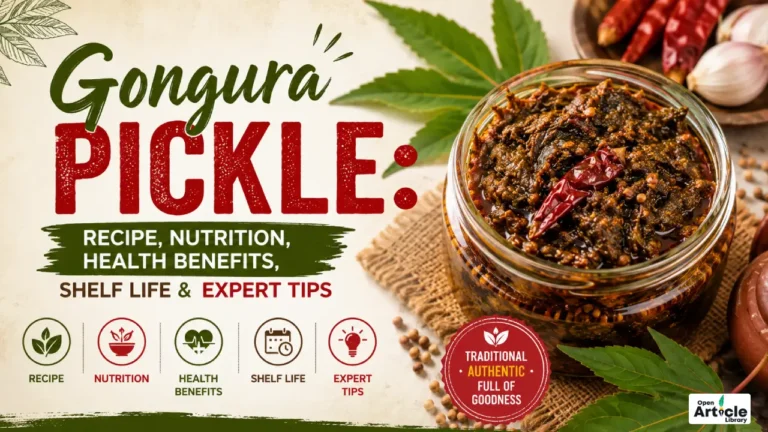
Gongura pickle is one of the most beloved traditional pickles from South India, particularly in Andhra Pradesh and Telangana.
Known for its distinctive tangy flavor, this pickle is made from gongura leaves, also known as sorrel leaves or roselle leaves.
The natural sourness of the leaves combined with aromatic spices creates a flavorful condiment that pairs perfectly with a variety of Indian dishes.
Whether you’re a fan of traditional pickles or looking to explore regional Indian cuisine, this dish offers a unique taste experience.
In this guide, you’ll learn everything about gongura pickle, including its recipe, nutritional value, health benefits, storage methods, and expert tips for making it at home.
What Is Gongura Pickle?
Gongura pickle is a spicy and tangy condiment prepared using fresh gongura leaves, spices, oil, and seasonings.
These leaves have a naturally sour taste, making them ideal for pickling without requiring excessive amounts of vinegar or lemon juice.
This pickle is a staple in many South Indian households and is often served alongside rice, dosa, idli, chapati, and other traditional meals.
History and Popularity of Gongura Pickle
Gongura has been cultivated in India for centuries and holds a special place in the culinary traditions of Andhra Pradesh and Telangana. These leaves thrive in warm climates and have long been used in chutneys, curries, and pickles.
Over time, gongura pickle became a household favorite because of its bold flavor, long shelf life, and ability to complement simple meals.
Today, it remains one of the most popular regional pickles enjoyed across India and by Indian communities worldwide.
Ingredients Required for Gongura Pickle
To prepare this delicious pickle, you will need:
- 4 cups fresh gongura leaves
- 2 tablespoons red chili powder
- 1 teaspoon turmeric powder
- 1 tablespoon mustard seeds
- 1 teaspoon fenugreek seeds
- 6–8 garlic cloves
- ½ cup sesame oil
- Salt to taste
- A few dried red chilies
- Curry leaves
Using fresh, tender gongura leaves helps achieve the best flavor and texture.
How to Make Gongura Pickle at Home (Step-by-Step Recipe)
Step 1: Clean and Dry the Gongura Leaves
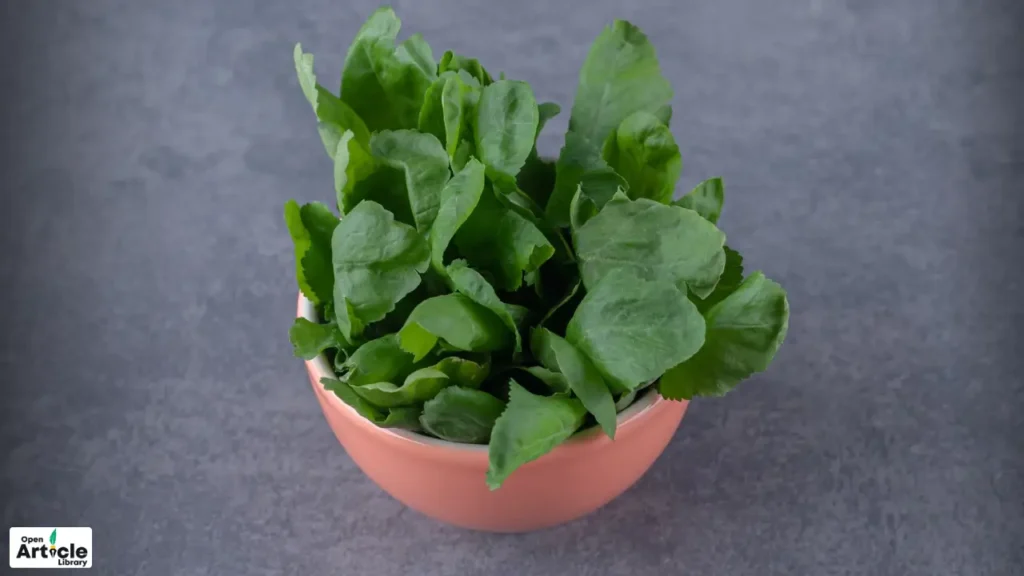
Start by thoroughly washing the gongura leaves under running water to remove any dirt, dust, or impurities.
Once cleaned, spread the leaves on a clean kitchen towel or cloth and allow them to dry completely.
Removing excess moisture is essential, as water can reduce the pickle’s shelf life and affect its flavor.
Step 2: Cook the Gongura Leaves
Heat a pan over medium flame and add the dried gongura leaves. Cook for a few minutes until they wilt and release their natural moisture.
Continue stirring until the excess water evaporates. Once done, remove the leaves from the heat and allow them to cool completely.
Step 3: Prepare the Spice Powder
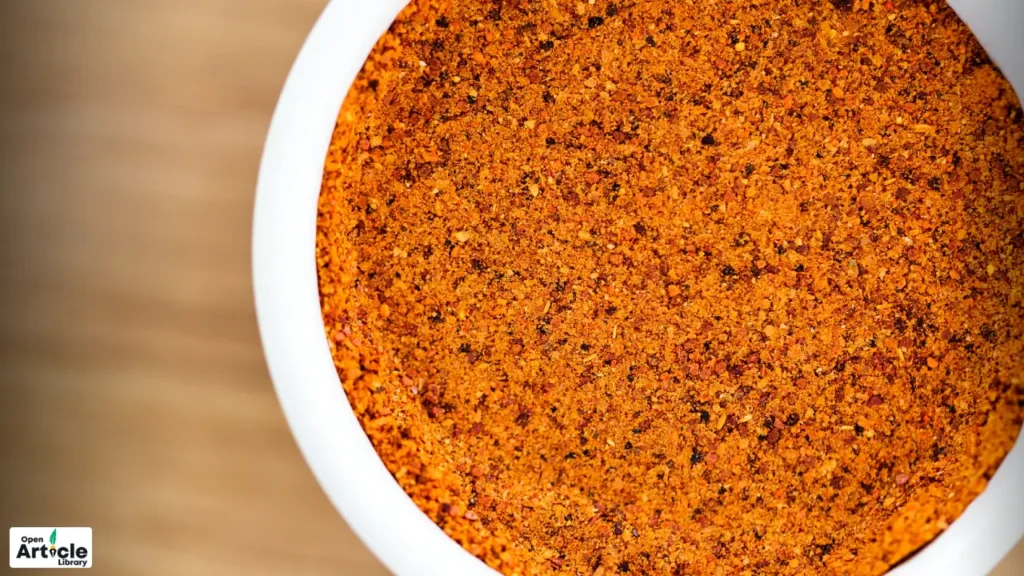
Dry roast mustard seeds and fenugreek seeds separately over low to medium heat until they turn fragrant and slightly crisp.
Let them cool completely, then grind them into a fine, aromatic powder. This freshly prepared spice blend adds the signature depth, aroma, and authentic flavor to the gongura pickle.
Step 4: Grind the Gongura
Transfer the cooked gongura leaves to a mixer or grinder and blend them into a coarse paste. Do not add water while grinding, as excess moisture can reduce the pickle’s shelf life and affect its texture and flavor.
Step 5: Prepare the Tempering
Heat sesame oil in a heavy-bottomed pan. Add mustard seeds, dried red chilies, garlic cloves, and curry leaves.
Sauté until the ingredients become fragrant and the garlic turns lightly golden. This tempering forms the flavor base of the pickle.
Step 6: Combine the Ingredients
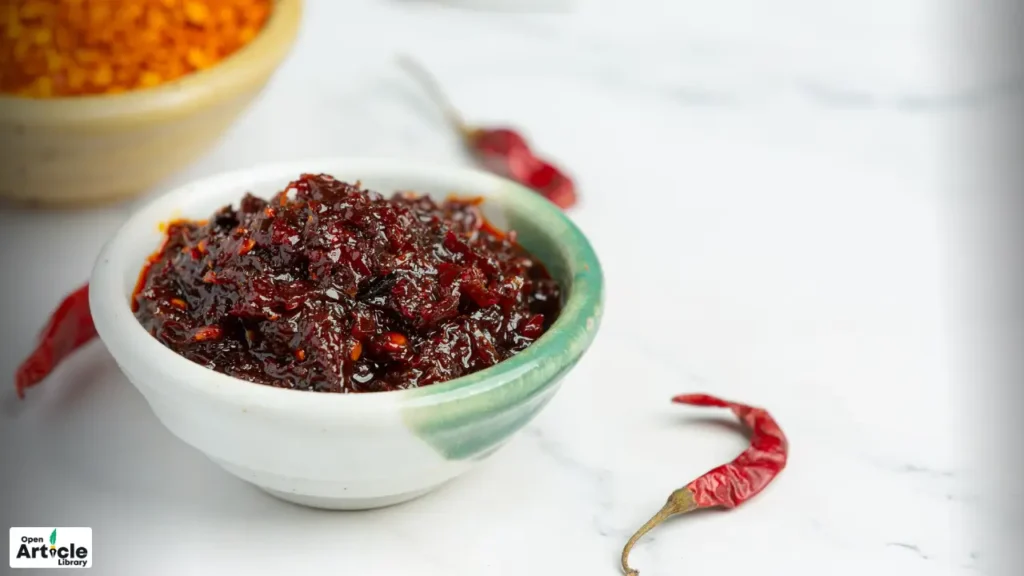
Add the gongura paste to the tempered spices and mix thoroughly. Stir in the roasted mustard-fenugreek powder, red chili powder, turmeric powder, and salt.
Cook the mixture on low heat for a few minutes, allowing the flavors to blend together beautifully.
Step 7: Cool and Store Properly
Remove the pickle from the heat and let it cool completely at room temperature. Transfer it to a clean, dry, and sterilized glass jar.
Store the jar in a cool, dry place or refrigerate it for a longer shelf life. Always use a dry spoon when serving to maintain freshness and prevent spoilage.
With its bold tangy flavor and rich aroma, gongura pickle is the perfect accompaniment to rice, dosa, idli, chapati, and many other traditional Indian dishes.
You may also like: Prawn Pickle Recipe: Nutrition, Shelf Life, Health Benefits & Common Mistakes to Avoid
Types of Gongura Pickle
One of the reasons gongura pickle remains so popular is its versatility. While the traditional version made with gongura leaves and spices is a household favorite, several regional and modern variations have emerged over the years.
Each type offers a unique flavor profile while retaining the signature tangy taste of gongura.
Traditional Gongura Pickle
Traditional gongura pickle is the most authentic and widely enjoyed version. It is prepared using fresh gongura leaves, aromatic spices, sesame oil, and seasonings.
Known for its bold tangy flavor and spicy kick, this classic pickle pairs perfectly with steamed rice, ghee rice, and other South Indian dishes.
Gongura Garlic Pickle
Gongura garlic pickle is a flavorful variation that incorporates generous amounts of garlic cloves. The garlic adds a rich aroma and depth of flavor that complements the natural sourness of the gongura leaves.
This version is especially popular among those who enjoy strong and savory flavors.
Gongura Chicken Pickle
For non-vegetarian food lovers, gongura chicken pickle offers a delicious combination of tender chicken pieces and tangy gongura.
The chicken absorbs the spicy and sour flavors of the pickle, creating a rich and satisfying condiment that pairs well with rice and flatbreads.
Gongura Prawn Pickle
Gongura prawn pickle combines the distinctive tanginess of gongura leaves with succulent prawns and aromatic spices.
This seafood variation is particularly popular in coastal regions, where fresh prawns are readily available. The result is a flavorful pickle with a perfect balance of spice, sourness, and seafood richness.
Gongura Mutton Pickle
Gongura mutton pickle is a hearty and flavorful variation made with tender pieces of mutton cooked in a spicy gongura-based mixture.
The richness of the meat blends beautifully with the tangy leaves, creating a bold pickle that is often enjoyed during special occasions and festive meals.
Spicy Gongura Pickle
Some recipes focus on increasing the heat level by using extra red chilies and traditional Andhra-style spice blends. This variation is ideal for those who enjoy intensely spicy pickles with a strong, lingering flavor.
Homemade Regional Variations
Many families have their own unique gongura pickle recipes passed down through generations. These homemade versions may include additional ingredients such as roasted spices, green chilies, sesame seeds, or special seasoning blends, giving each recipe a distinctive taste and character.
Whether you prefer the traditional vegetarian version or a protein-rich variation like chicken, prawn, or mutton, it offers a wide range of flavors to suit every palate. Its versatility and unmistakable tangy taste continue to make it a favorite condiment across India.
Nutritional Value of Gongura Pickle
Gongura leaves are naturally rich in essential nutrients:
- Dietary fiber
- Vitamin C
- Vitamin A
- Iron
- Calcium
- Potassium
- Antioxidants
The exact nutritional profile varies based on the ingredients and amount of oil used.
Health Benefits of Gongura Pickle
Gongura pickle is more than just a flavorful condiment. Made from nutrient-rich gongura leaves, it offers several health benefits when consumed in moderation as part of a balanced diet.
The leaves are packed with vitamins, minerals, antioxidants, and dietary fiber, making it a nutritious addition to many meals.
Rich in Antioxidants
Gongura leaves contain natural antioxidants that help combat free radicals in the body. These compounds play an important role in protecting cells from oxidative stress and supporting overall health. Including antioxidant-rich foods in your diet may contribute to long-term wellness.
Good Source of Iron
One of the most notable nutritional benefits of gongura leaves is their iron content. Iron is essential for the production of red blood cells and the transportation of oxygen throughout the body. Regular consumption of iron-rich foods can help support healthy energy levels and overall vitality.
Supports Digestive Health
Gongura leaves contain dietary fiber, which is important for maintaining a healthy digestive system. Fiber helps support regular bowel movements and promotes better digestion. When enjoyed as part of a balanced meal, gongura pickle can contribute to digestive wellness.
Contains Essential Vitamins
Gongura is naturally rich in vitamins A and C. Vitamin A supports eye health and immune function, while vitamin C helps the body maintain healthy skin, supports immunity, and assists in the absorption of iron from plant-based foods.
May Support Bone Health
Gongura leaves contain minerals such as calcium and phosphorus, which are important for maintaining strong bones and teeth. These nutrients play a key role in supporting overall skeletal health.
Enhances Appetite and Meal Enjoyment
The tangy and spicy flavor can make simple dishes more enjoyable and appetizing. A small serving can add depth and excitement to meals such as rice, dosa, idli, chapati, and curd rice, encouraging a more satisfying dining experience.
Convenient Source of Nutrients
Because this pickle can be stored for extended periods when prepared properly, it offers a convenient way to enjoy the nutritional benefits of gongura leaves throughout the year.
Note: While gongura pickle contains several beneficial nutrients, it is typically prepared with oil and salt. For this reason, it should be enjoyed in moderation as part of a healthy and balanced diet.
How to Store Gongura Pickle Properly
Proper storage is important for maintaining freshness and extending shelf life.
Follow these tips:
- Store the pickle in sterilized glass jars.
- Ensure the pickle has cooled completely before storage.
- Keep moisture away from the container.
- Use a clean, dry spoon for serving.
- Store in a cool, dry place.
- Refrigerate after opening for extended freshness.
Shelf Life of Gongura Pickle
The shelf life depends on the preparation method and storage conditions.
- At room temperature: approximately 1–2 months.
- Refrigerated: up to 4–6 months when stored properly.
Always inspect the pickle before consuming it after long periods of storage.
Can You Freeze Gongura Pickle?
Yes, gongura pickle can be frozen if you want to preserve it for a longer period.
Store it in airtight freezer-safe containers and freeze in small portions. When needed, thaw it in the refrigerator and stir well before serving.
Common Mistakes to Avoid
To ensure the best flavor and shelf life, avoid these common mistakes:
- Using wet gongura leaves
- Adding insufficient oil
- Skipping jar sterilization
- Using damp spoons during serving
- Overcooking the spice mixture
- Storing the pickle before it has cooled completely
Avoiding these mistakes helps maintain both taste and quality.
Signs Gongura Pickle Has Gone Bad
Discard the pickle if you notice:
- Mold growth
- Foul or unusual odor
- Significant discoloration
- Slimy texture
- Unpleasant taste
When in doubt, it is always safer to discard spoiled pickle.
Best Ways to Serve Gongura Pickle
- Steamed rice
- Ghee rice
- Curd rice
- Dosa
- Idli
- Chapati
- Paratha
- Pongal
A small spoonful is often enough to add a burst of tangy and spicy flavor to your meal.
Conclusion
Gongura pickle is a treasured South Indian condiment known for its bold flavor, nutritional benefits, and versatility. Made from nutrient-rich gongura leaves and aromatic spices, it offers a unique combination of tanginess and heat that enhances a wide variety of dishes.
Whether you’re preparing a traditional homemade batch or exploring different regional variations, proper preparation and storage techniques can help you enjoy delicious gongura pickles for months. With its rich cultural heritage and unmistakable taste, it continues to be a favorite among pickle lovers across India and beyond.
Frequently Asked Questions (FAQs)
What is gongura pickle made of?
Gongura pickle is primarily made from fresh gongura leaves (sorrel leaves), red chili powder, mustard seeds, fenugreek seeds, garlic, sesame oil, and salt. The combination of these ingredients creates its distinctive tangy and spicy flavor.
What does gongura pickle taste like?
Gongura pickle has a unique tangy, spicy, and slightly earthy flavor. The natural sourness of gongura leaves is balanced by aromatic spices and oil, making it a popular accompaniment to many Indian dishes.
Is gongura pickle healthy?
Gongura pickle contains nutrients such as iron, calcium, fiber, and vitamins A and C from gongura leaves. However, since it also contains oil and salt, it is best enjoyed in moderation as part of a balanced diet.
How long does homemade gongura pickle last?
When stored properly in a sterilized airtight container, homemade gongura pickle can last 1–2 months at room temperature and up to 4–6 months in the refrigerator.
Can I freeze gongura pickle?
Yes, gongura pickles can be frozen in airtight containers for longer storage. Thaw it in the refrigerator before use and stir well before serving.
How should gongura pickles be stored?
Store gongura pickle in a clean, dry, sterilized glass jar. Keep it away from moisture, use a dry spoon when serving, and refrigerate after opening for maximum freshness.
What are the health benefits of gongura leaves?
Gongura leaves are rich in antioxidants, iron, calcium, fiber, and vitamins A and C. These nutrients may support immune function, digestion, and overall wellness.
Can I make gongura pickle without garlic?
Yes, garlic is optional in many recipes. You can prepare traditional gongura pickle without garlic if you prefer a simpler flavor or follow dietary restrictions.
Why did my gongura pickle spoil quickly?
Common reasons include using wet leaves, storing the pickle in an unsterilized jar, introducing moisture with wet spoons, or using insufficient oil during preparation.
What foods pair best with gongura pickle?
Gongura pickle pairs wonderfully with steamed rice, ghee rice, curd rice, dosa, idli, chapati, paratha, and other South Indian dishes.
What is the difference between gongura pickle and mango pickle?
Gongura pickle gets its tangy flavor naturally from gongura leaves, while mango pickle relies on raw mangoes for sourness. Both have distinct flavors and are popular in Indian cuisine.
Which oil is best for making gongura pickles?
Sesame oil is traditionally preferred for gongura pickle because it enhances flavor and helps improve shelf life. However, other cooking oils may also be used depending on personal preference.